
Buying a Used Car: Complete Checklist
Published July 26, 2026
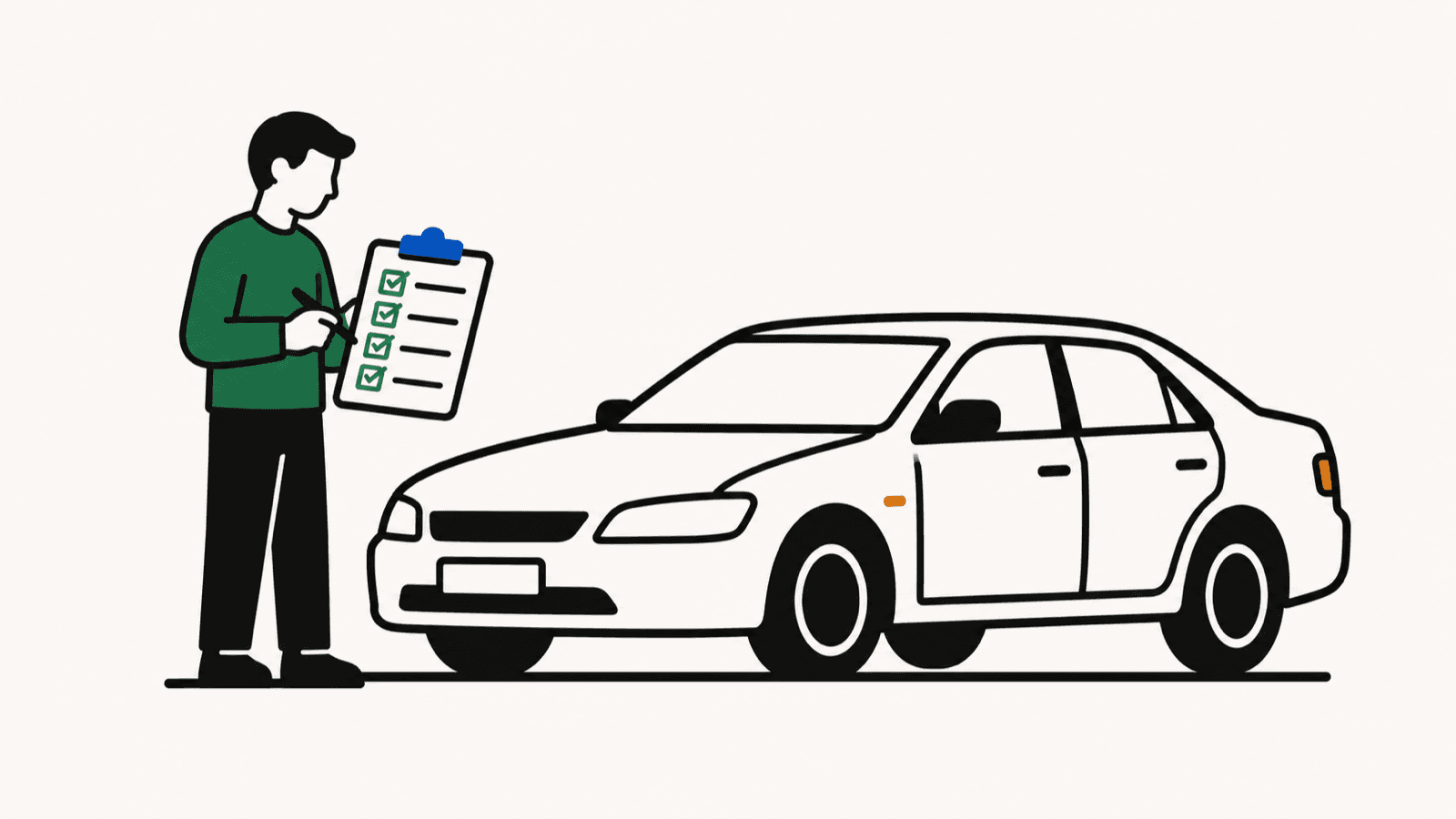
Buying a used car can save you thousands, but it comes with risks. A systematic approach helps you avoid costly mistakes. Here is a complete checklist based on official data and expert recommendations.
Before You Visit
At the Dealership
Paperwork
Where to Check Each Record
Three of the checks above rely on databases rather than on looking at the car. They are separate systems, and no single one covers all three.
Open safety recalls
Run the VIN through NHTSA’s recall lookup — it is free and authoritative, and it reports whether the remedy has been performed on that specific vehicle. A year/make/model search cannot do that, because recalls usually apply to a build date range rather than a whole model year.
Title brands, odometer, total-loss history
Use NMVTIS, the federal title database operated by the US Department of Justice, through one of its approved providers. State DMVs and insurers report into it, which is why it catches brands that a seller-supplied report may not. We do not hold this data and do not sell history reports.
Running costs
EPA’s fueleconomy.gov publishes the official window-sticker figures for the exact trim and engine, which is the number to budget against — not the seller’s estimate.
The 15-Year Rule Nobody Mentions
An open recall on a used car is normally a bargaining chip rather than a dealbreaker, because the manufacturer must fix it free of charge — and that obligation transfers to you as the new owner. But it does expire. Under 49 U.S.C. §30120(g)(1), the free-remedy requirement does not apply where the vehicle was bought by its first purchaser more than 15 calendar years before the recall notice was given — or more than 5 calendar years for a tire.
So on an older car, check the first-sale date as well as the recall list. Many manufacturers still repair out-of-window recalls at no charge, but at that point you are asking for goodwill, not exercising a right. Get the dealer to confirm coverage in writing before you treat the repair as free.
Start your research with Verify the Vehicle
Check a VINVerify the Vehicle
·Editorial teamWe do not test cars or employ mechanics. What we do is read the public government record — NHTSA recall campaigns, complaints and investigations, and EPA fuel economy filings — and write it down in plain English with the source attached, so you can check us.
Last updated: July 26, 2026