
Recall vs TSB: What is the Difference?
Published July 26, 2026
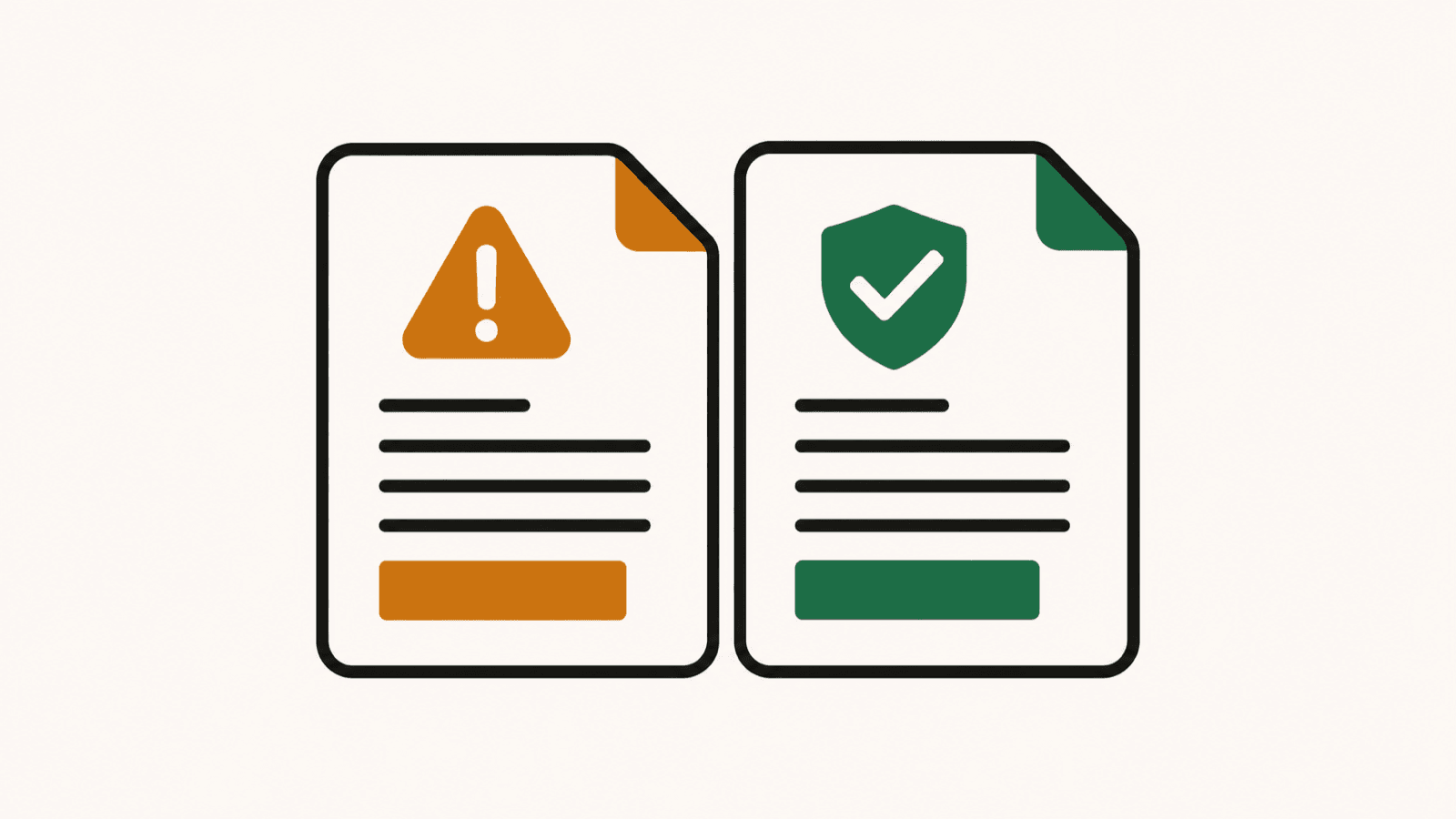
When researching a vehicle, you will encounter two types of manufacturer communications: recalls and Technical Service Bulletins (TSBs). They sound similar but have very different implications for vehicle owners.
What is a Recall?
A safety recall means a manufacturer has determined that a vehicle or item of equipment contains a defect related to motor vehicle safety, or does not comply with a federal safety standard. When that happens the manufacturer must notify owners and remedy the problem — by repair, replacement, or refund — without charge to the owner, under 49 U.S.C. §30120. Recalls are serious: they describe a defect that could cause crashes, fires, injuries, or deaths.
Recalls are issued by the manufacturer but overseen by NHTSA. If a manufacturer will not recall a vehicle NHTSA believes is defective, NHTSA can order it to and enforce that order in court.
The free repair is not unlimited
This is the detail most guides get wrong. The free-remedy obligation is not open-ended, and it is not “for the life of the vehicle.” 49 U.S.C. §30120(g)(1) removes the no-charge requirement where the vehicle was bought by its first purchaser more than 15 calendar years before the recall notice was given — and more than 5 calendar years in the case of a tire, including an original equipment tire.
Past that point many manufacturers still do the work for nothing, but it is goodwill rather than an obligation. If your car is approaching 15 years from its first sale and has an open recall, that is a reason to book it now rather than later.
What is a TSB?
A Technical Service Bulletin (TSB) is a communication from a manufacturer to its dealership service departments describing a known problem and the approved repair procedure for it. TSBs cover issues that may not rise to the level of a safety defect — a transmission shift quality complaint, a persistent water leak, a software update that fixes an infotainment fault.
A TSB is not a safety mandate and creates no legal obligation on either side. It does not entitle you to a free repair. If the vehicle is still under warranty, or the manufacturer has extended coverage for that specific component, the fix may be covered; otherwise the bulletin simply tells the technician what to do, and you pay the bill.
TSBs are not secret, though. Under 49 CFR §579.5, manufacturers must furnish NHTSA a copy of every bulletin and communication sent to more than one dealer about a defect in their vehicles — whether or not that defect is safety-related — within five working days of the end of the month it was issued. NHTSA publishes summaries of those manufacturer communications, and it uses them as an input when deciding whether to investigate.
We do not publish TSB records
To be explicit about what this site holds: our dataset covers NHTSA recall campaigns, owner complaints, defect investigations and safety ratings, plus EPA fuel economy. It contains no Technical Service Bulletin records, so no page on this site lists TSBs for a vehicle. This article explains what a TSB is; it is not an index of them.
To find bulletins for a specific vehicle, ask a franchised dealer’s service department, or search NHTSA’s manufacturer communications records at nhtsa.gov/recalls.
Key Differences
| Factor | Recall | TSB |
|---|---|---|
| Legal requirement | Yes — remedy mandated by 49 U.S.C. §30120 | No — advisory only |
| Cost to owner | Free — for 15 years from first sale (5 for tires) | Owner pays unless covered by warranty |
| Safety risk | Yes — a defect related to motor vehicle safety | Usually not, but not ruled out |
| Issued by | Manufacturer, overseen by NHTSA | Manufacturer |
| Owner notified | Yes — owner letter required | No — sent to dealers |
| Filed with NHTSA | Yes — Part 573 defect report | Yes — copy required under 49 CFR §579.5 |
| On this site | Yes — 2,669 campaigns | No — we hold no TSB data |
What Should You Do?
For recalls: check now, using the VIN rather than the year/make/model, because recalls often apply only to vehicles built in a particular date range. If a recall is open, any franchised dealer for that brand must perform the remedy at no charge, subject to the 15-year limit above. You do not have to have bought the car there, and you do not need to be the original owner.
For TSBs:they are worth knowing about but rarely urgent. The time a TSB matters is when your vehicle already has the symptom — quoting the bulletin number to the service advisor can shorten the diagnosis and, if the manufacturer has extended coverage on that part, change who pays.
Sources
- 49 U.S.C. §30120 — remedy without charge, and the 15-year / 5-year limits at §30120(g)(1)
- 49 CFR §579.5 — manufacturers must file dealer bulletins and other communications with NHTSA
- NHTSA recall lookup — official VIN recall search and manufacturer communications
Check your vehicle now
Enter Your VINFrequently Asked Questions
Is a TSB the same as a recall?
No. A recall is a safety defect the manufacturer must fix free of charge under federal law. A TSB is a repair instruction the manufacturer sends to its dealers about a known issue that may not be a safety defect.
Do I have to get a TSB fixed?
No. A TSB creates no obligation on you or on the manufacturer. If your vehicle has the symptom described, the dealer should already know the fix — but unless the repair is covered by warranty or a goodwill program, you may be charged for it.
Can a TSB become a recall?
Yes. Manufacturers must file copies of their dealer bulletins with NHTSA under 49 CFR 579.5, and NHTSA uses them alongside complaint data. If NHTSA concludes the underlying problem is a safety defect, it can push the manufacturer to a recall.
Does Verify the Vehicle list TSBs?
No. Our dataset covers NHTSA recalls, complaints, investigations, safety ratings and EPA fuel economy. It contains no Technical Service Bulletin records, so we do not publish them. For bulletins on a specific vehicle, ask a dealer service department or use NHTSA's manufacturer communications search on nhtsa.gov.
Verify the Vehicle
·Editorial teamWe do not test cars or employ mechanics. What we do is read the public government record — NHTSA recall campaigns, complaints and investigations, and EPA fuel economy filings — and write it down in plain English with the source attached, so you can check us.
Last updated: July 26, 2026